

Skin Growths
There are many common benign skin growths that develop through life and as we age. While generally harmless, some may cause discomfort, irritation, or aesthetic concerns.
Each type of lesion has a different cause and may require a specific approach for assessment and removal.
Types of Skin Growths
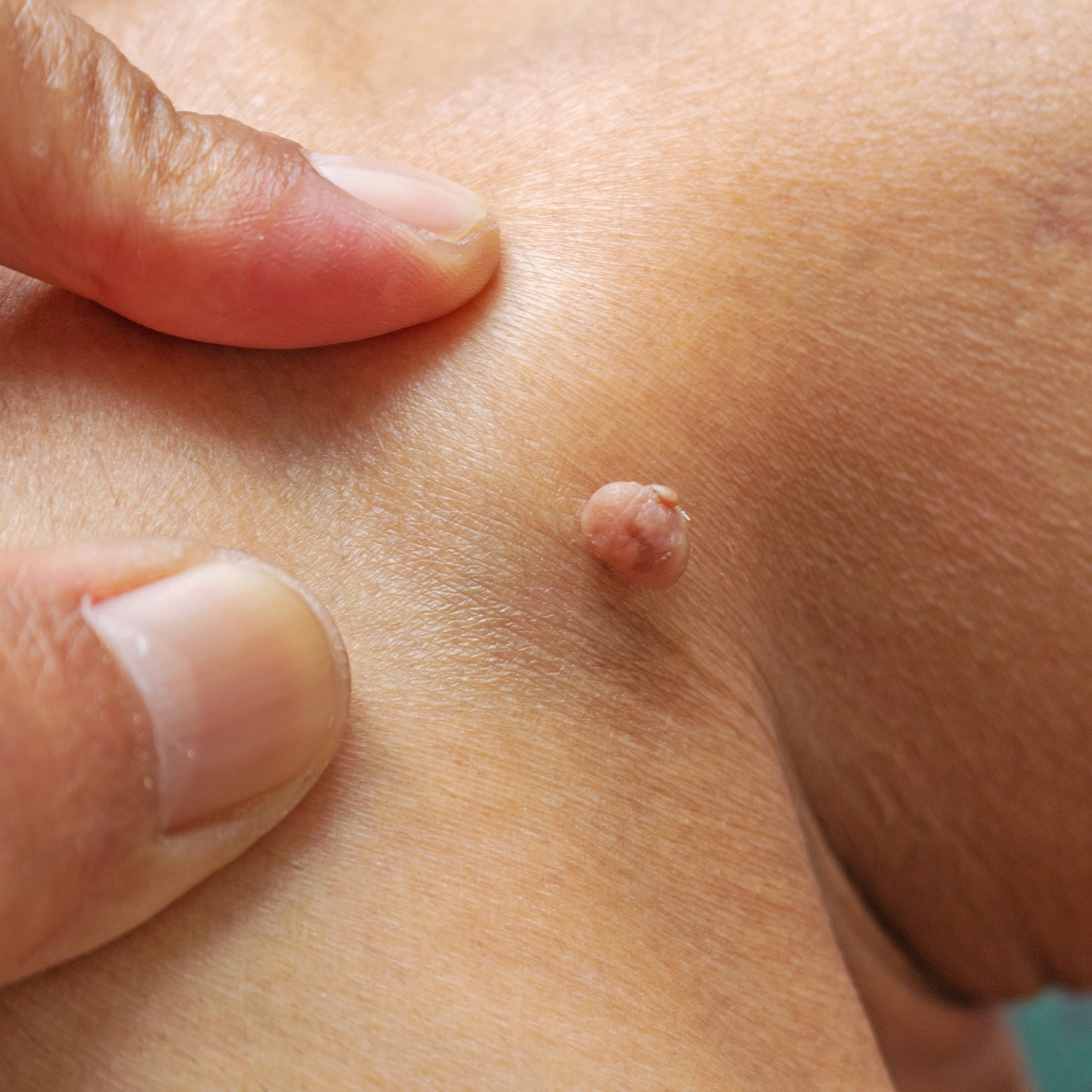
Skin Tags
Small, soft, flesh-coloured growths commonly found on the neck, underarms, or body folds. Non-cancerous but can become irritated by clothing or jewellery.
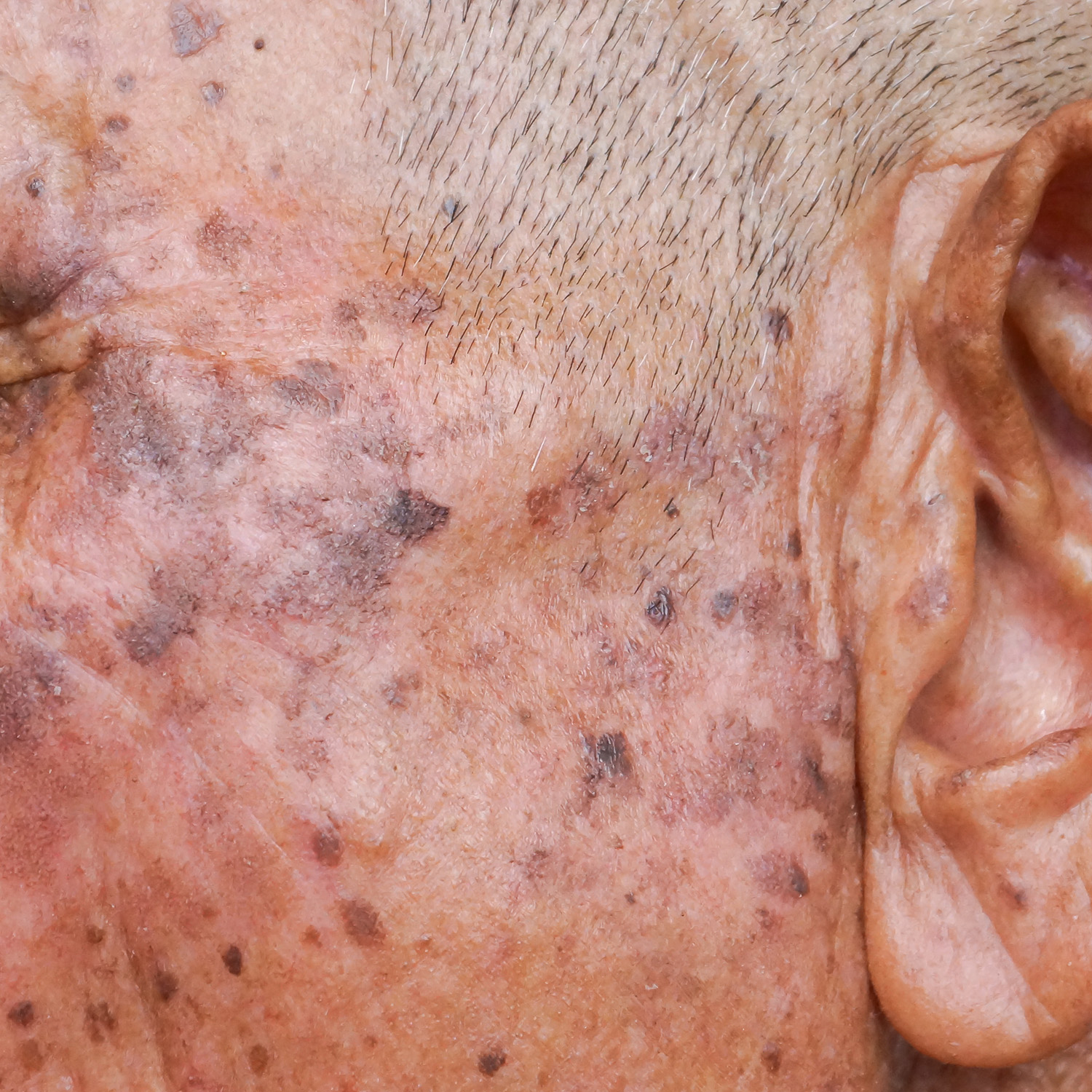
Seborrheic Keratosis
Common, benign skin growths that are a frequent sign of skin ageing. They often appear stuck on the skin and do not respond to skincare or facials.
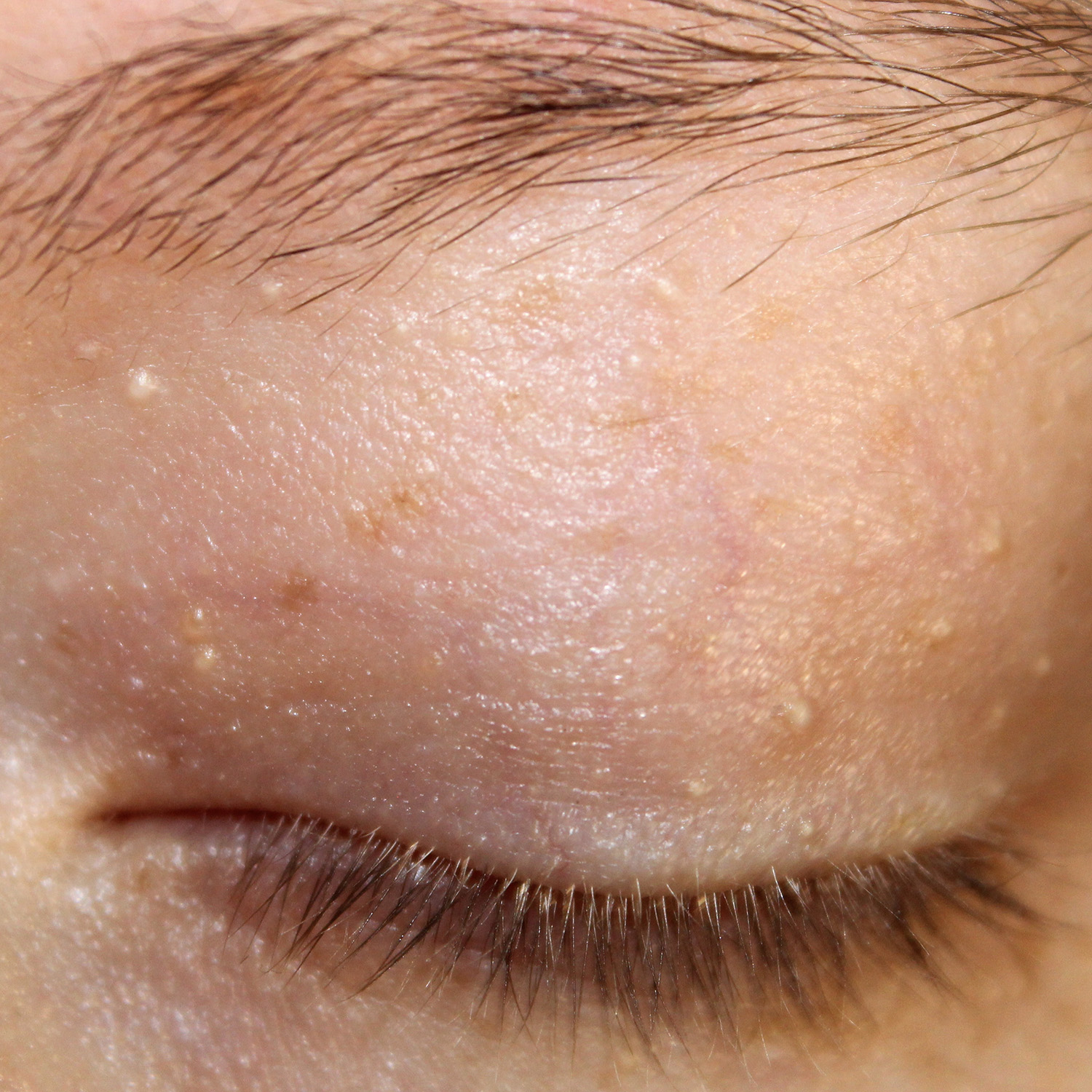
Milia Seeds
Tiny, white keratin-filled bumps commonly found around the eyes or cheeks. Typically require professional extraction.
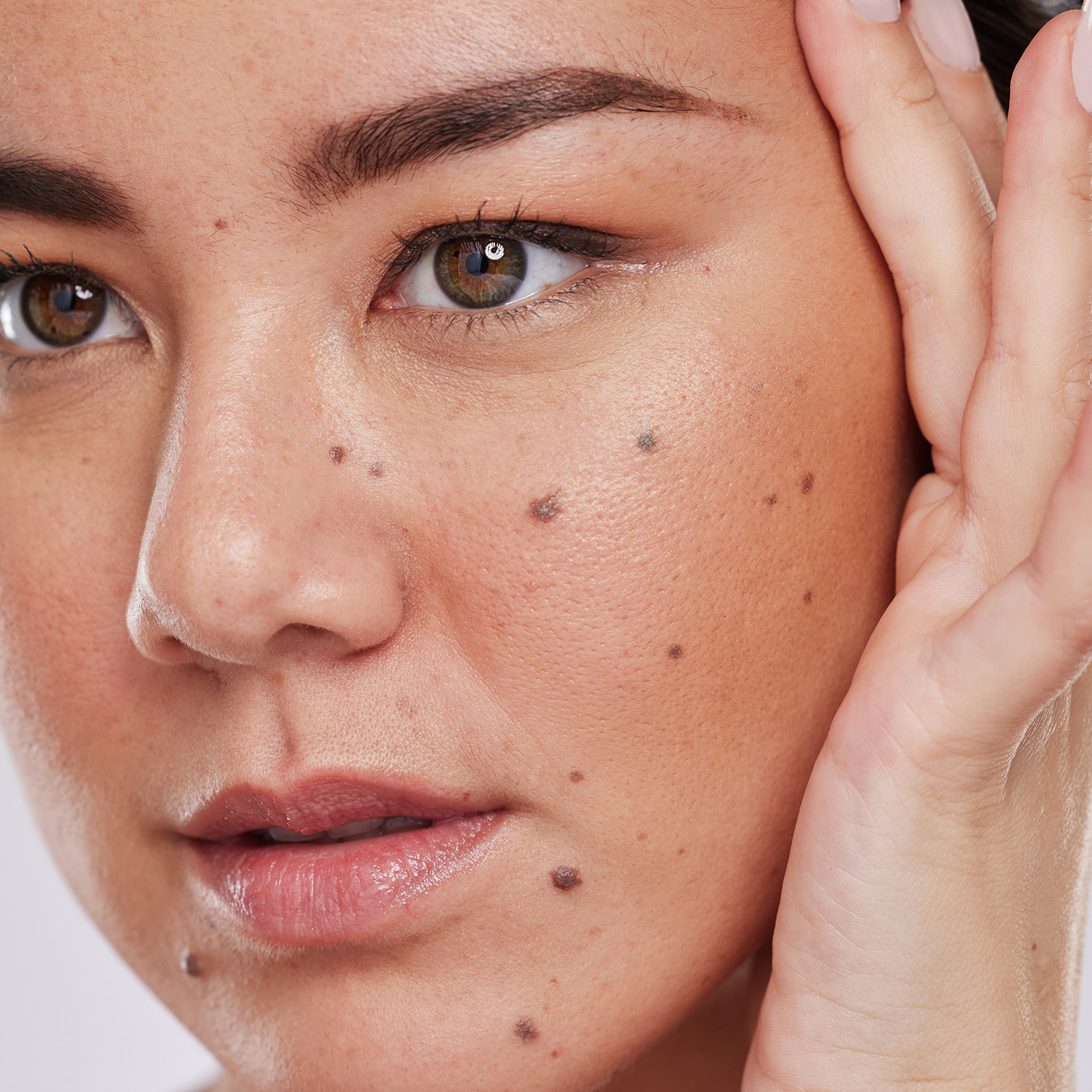
Moles (Nevi)
Clusters of pigment-producing cells that appear as brown, pink, or skin-coloured spots. Most moles are benign, but new or changing moles should always be assessed.
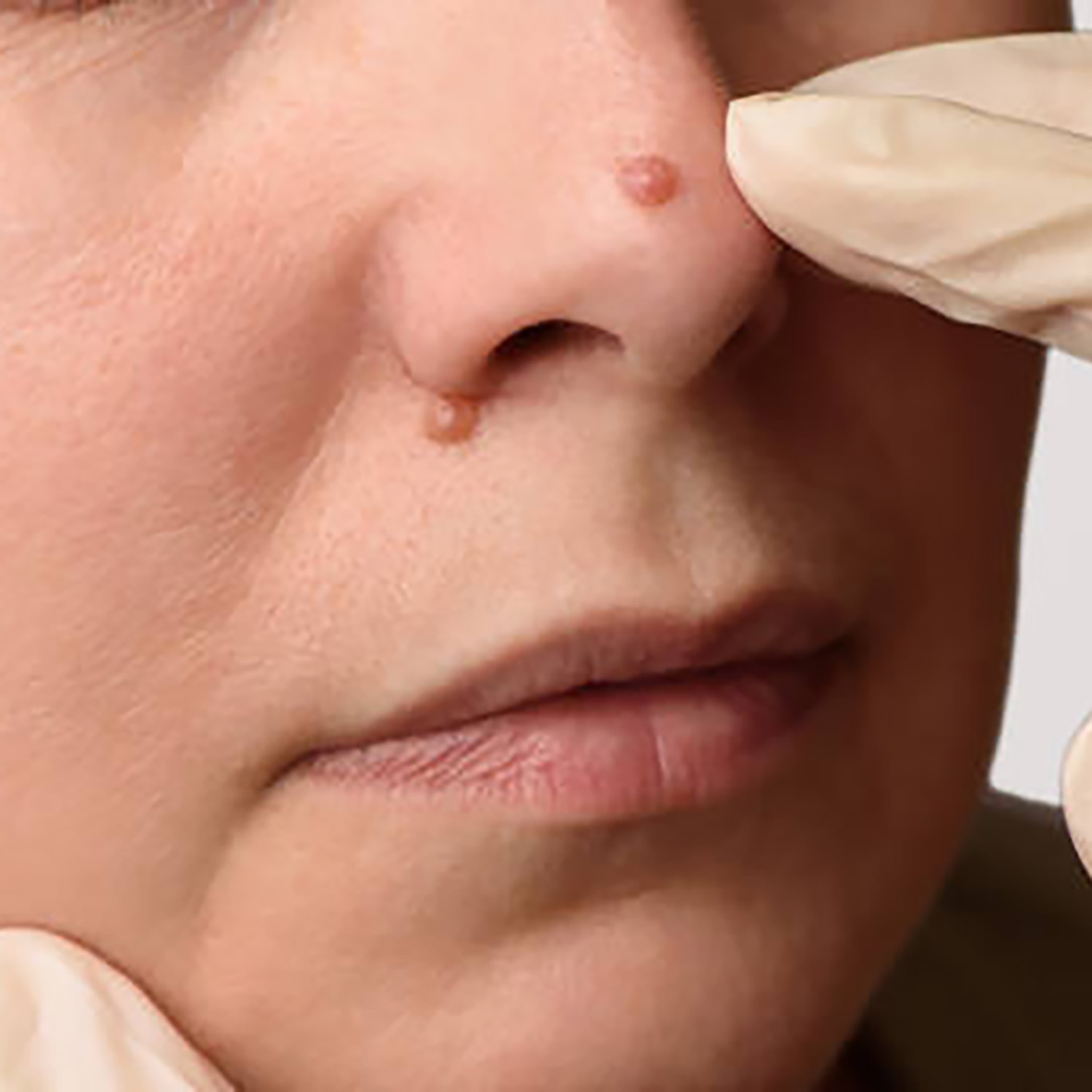
Warts
Benign skin growths caused by a virus present on the skin. Can occur anywhere on the body and are contagious.
What causes skin growths?
Ageing
Many skin growths including seborrheic keratosis and skin tags become more common as the skin ages.
Sun exposure
Cumulative UV damage can contribute to the development of moles, sun spots, and other surface growths.
Genetics
A predisposition to certain skin growths such as moles or milia can run in families.
Viral infection
Warts are caused by the human papillomavirus (HPV), which can enter the skin through small breaks or cuts.
Friction & skin folds
Skin tags commonly develop in areas where skin rubs against skin or clothing.
Keratin buildup
Milia form when keratin becomes trapped beneath the skin's surface.
Recommended
Treatments
All moles require a medical assessment prior to treatment to confirm suitability for laser removal.
Excision
Larger or deeper growths may require excision. Precise sutures help the small scar heal well.
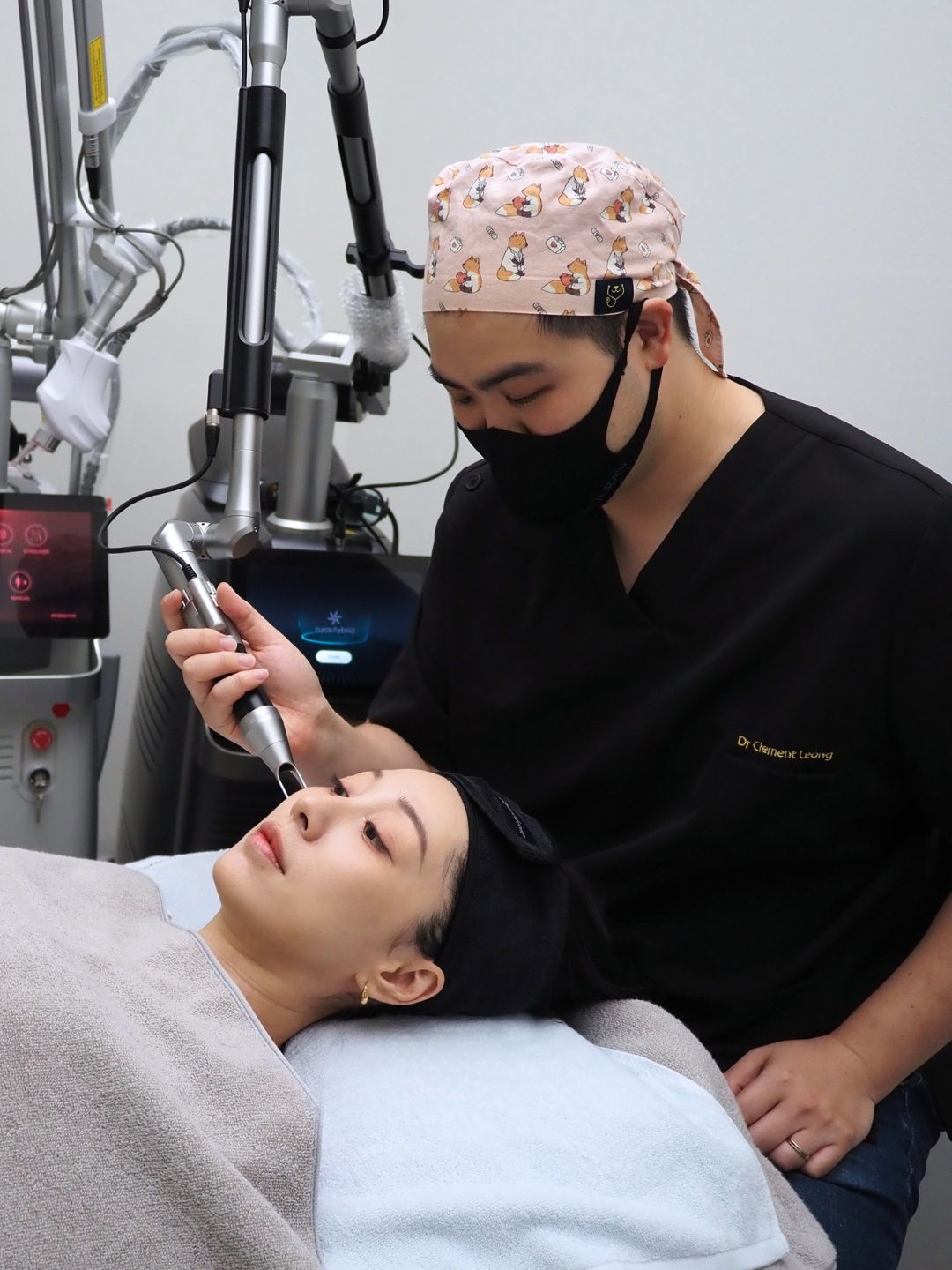
What to Expect
Most skin growths can usually be removed in a single session, with natural healing occurring over a few days to weeks.
The treated area may appear slightly pink or brown before returning to normal skin tone.
Frequently Asked
Questions
Yes. A medical evaluation helps determine whether the lesion is benign and the most suitable method for removal.
Any procedure that breaks the skin may result in temporary redness or a dark mark that fades over time. Your doctor will discuss potential risks and aftercare.
Some lesions such as warts or moles may recur. Others such as skin tags or milia may develop in new areas over time.
Benign moles can be removed for aesthetic or comfort reasons. However, suspicious or changing moles require careful medical assessment before any removal.
DIY extraction can injure the skin, cause scarring, or lead to infection. Professional removal ensures sterile technique, precision, and minimal trauma.
Disclaimer
This page is for general educational purposes and does not constitute medical advice. Please consult our doctors for an accurate diagnosis and personalised treatment recommendations.