
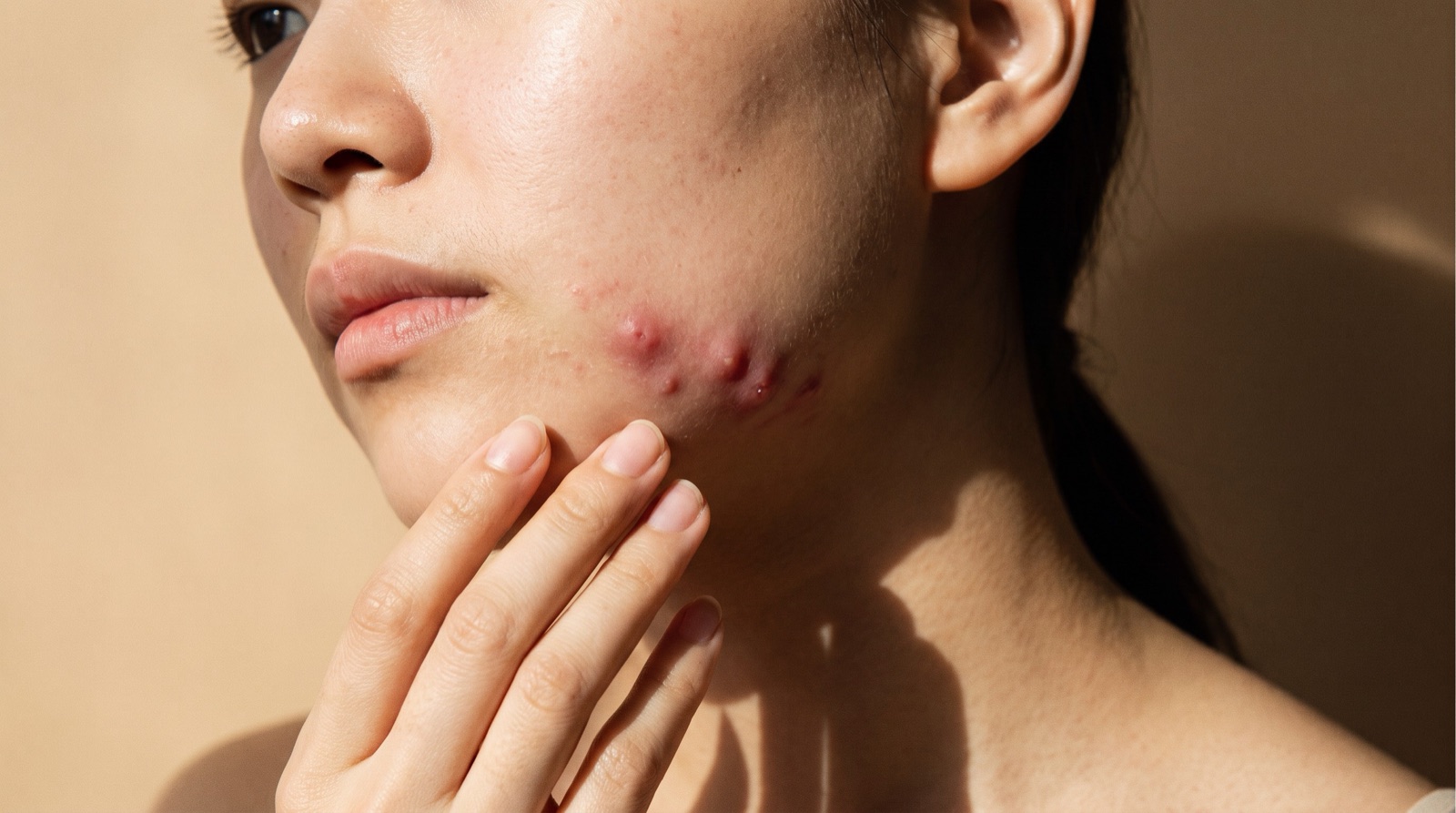
That sore, swollen lump under your skin that never comes to a head? It's a different kind of breakout from the small spots most acne products are made for. Cystic acne sits deeper in the skin, takes longer to settle and is more likely to leave scars. The good news is that it can be managed with the right medical treatment, and the earlier you start, the more you protect your skin from lasting marks.
What is cystic acne?
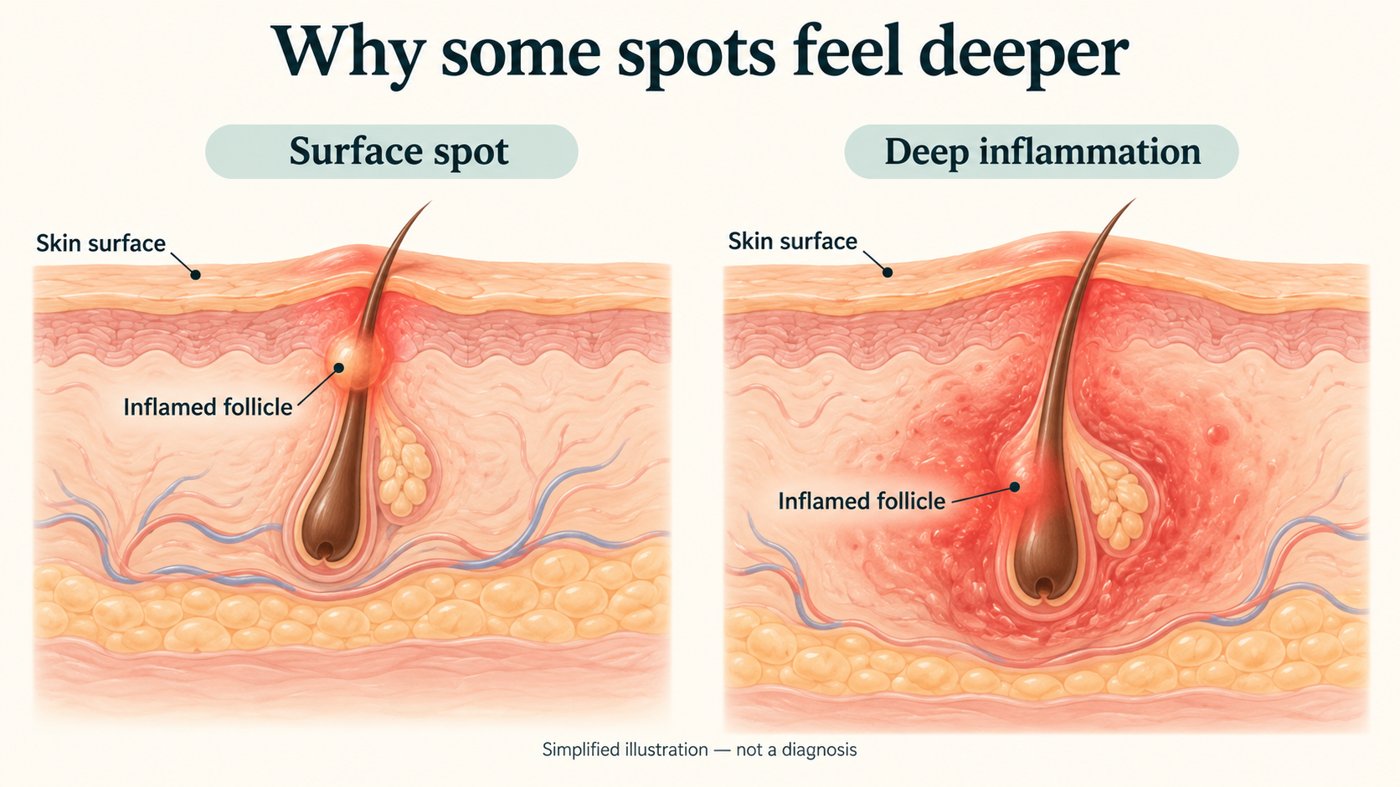
All acne starts in the hair follicles, where oil and dead skin cells build up. With cystic (or nodular) acne, the inflammation goes much deeper, creating tender lumps beneath the surface instead of small spots on top. Doctors often call it nodulocystic acne.
Because these breakouts sit so deep, surface products have a hard time reaching them. That's why cystic acne often keeps coming back even with a good skincare routine. It isn't that you're doing something wrong. It just needs a different kind of help.
Should you squeeze a cystic pimple?
Please don't. It can feel like there's something trapped that needs to come out, but squeezing or picking a deep lump pushes the inflammation further in and raises the risk of scarring. Needles, pins and extraction tools at home make it worse.
If a lump is very painful, your doctor can help settle it safely. In the meantime, hands off is the kindest thing you can do for your skin.
When should you see a doctor?
You don't need to wait for another product to fail. It's worth booking a review if:
- A lump is very painful, or deep lumps keep coming back
- You're noticing new scars, pits or dents
- Your breakouts are affecting your mood or confidence
- You're not sure whether the lump is acne at all
Even a few deep spots are reason enough if they're leaving marks. And if a severe breakout gets worse quickly while you also feel unwell, for example with a fever, see a doctor urgently rather than waiting for a routine appointment.
How is cystic acne treated?
Your doctor will look at how deep and widespread your breakouts are, check for any early scarring, and learn more about what you've already tried. From there, treatment usually involves prescription medicine, either applied to the skin, taken by mouth, or both. For more stubborn cases, your doctor may recommend a medicine that needs closer monitoring along the way.
The goal is to calm the active inflammation and stop new lumps from forming, which is also the best way to protect your skin from new scars. Every medicine has its own benefits and side effects, so your doctor will check your health and any other medicines you take before starting.
At Reborn, our doctors assess and treat acne of all types, including deep nodulocystic breakouts. You can read more about how we approach acne.
What about scars from cystic acne?
Getting active breakouts under control comes first. Once your skin has settled, any marks or dents left behind can be treated as a separate step. Our guide to types of acne scars explains the different kinds, and our acne scar treatment page covers the options when you're ready.
Getting the most from your appointment
A little prep goes a long way. Note when the lumps started, how often they come back and what you've tried so far. Bring a list of any medicines, supplements and skincare you use.
If you're pregnant, breastfeeding or planning a pregnancy, let your doctor know, as it changes which medicines are suitable. It's not a reason to put off getting help.
Frequently asked questions
Is cystic acne the same as nodular acne?
They're closely related. Both describe deep, inflamed acne lumps, and doctors often group them together as nodulocystic acne. You don't need to label them yourself before booking a review.
Will cystic acne always leave scars?
No. Scarring is a risk, not a certainty. Treating breakouts early and keeping your hands off them both help lower that risk.
Can a facial or laser clear cystic acne?
Not on its own. Deep, active acne usually needs medical treatment first. Your doctor may suggest in-clinic treatments alongside or afterwards, depending on your skin.
How long until I see a difference?
Most people start to notice improvement within a few weeks of starting a medical plan, with bigger changes building over a few months.
Deep, painful breakouts that keep coming back?
Book a consultation at Reborn Skin Clinic. Our licensed doctors will assess what's behind your breakouts and put together a treatment plan to calm them and protect your skin.